How to Choose an Art Print Size for a Room
A practical way to choose print size from wall width, furniture width and viewing distance.
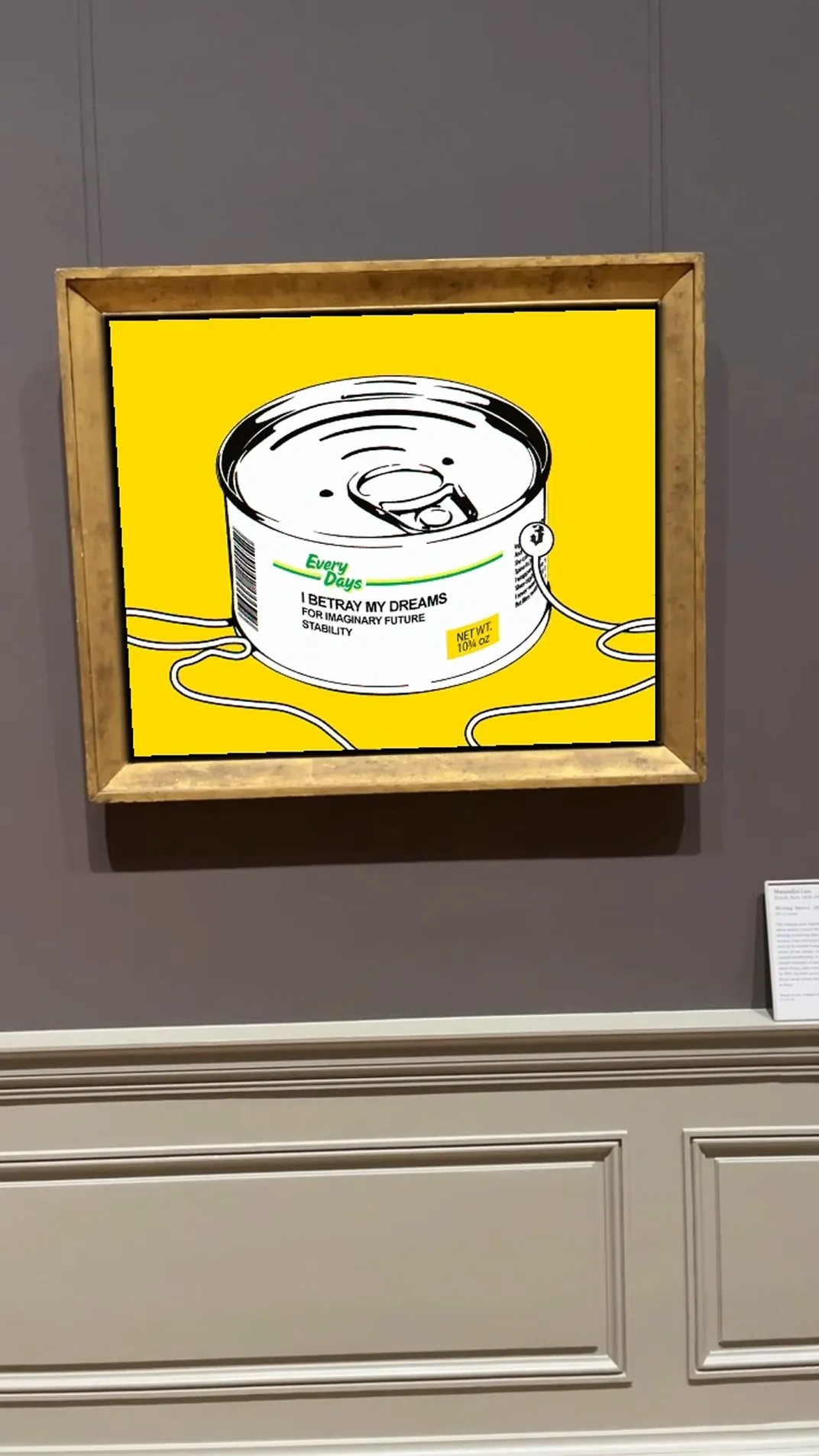
Start with the width that already exists
Measure the empty wall area first, then measure the furniture below it. A print that hangs above a sofa, console or desk usually reads more intentionally when its total visual width is clearly related to the object below. You are not trying to match the furniture exactly; you are trying to avoid a small image floating in a large field of wall.
Think in visual width, not paper size
A framed 18 × 24 inch print occupies more wall than the sheet alone because the frame adds width around it. If you are choosing between unframed and framed versions, compare the final outside dimensions. For a strong single image, moving one size larger often works better than adding several unrelated objects around a print that is too small.
Use distance as a second check
A graphic work with large shapes and text can survive a longer viewing distance. Fine detail needs the viewer closer. Stand where the work will normally be seen — at the entrance to the room, from the sofa, or from the opposite desk — and use that distance to decide whether the composition will still read.
When to choose a smaller print
Smaller prints work well in narrow wall sections, shelves, bedside areas and grouped arrangements. They are also useful when the image is visually dense and benefits from close viewing. A small format should feel deliberate rather than merely cheaper.
A simple rule for this shop
Each product page shows the same artwork in several sizes. Start with the wall rather than the artwork: choose the largest size that fits comfortably inside the available field, then step down only if you need more negative space.